Plumbing · Wembley, London
Central Heating Repair in Wembley, London
Radiators that stay cold at the bottom, a pump that hums and a house that never quite warms up are system problems, not boiler problems. [Honest Plumber Wembley](/) answers on 07455 755172 at all hours and sends central heating faults to an independently owned partner company that can reach Wembley, Sudbury or Kenton soonest.
Be wary of anyone who sells a new boiler before checking the pipes. Published UK figures put most central heating repairs at £150 to £600, a radiator valve at £100 to £200, a circulating pump at £250 to £450 and a power flush at £400 to £800 (London £320 to £720). Those are published ranges, not our quote, and the partner company confirms its price in writing.
Heating in this part of HA0 is mostly a story of age and water. Many Metroland semis built c.1927 to 1935 still carry heating pipework added decades after the house, while Affinity Water's 291 to 363 mg/l hardness feeds scale into every part of the circuit. The result is sludge, stuck valves and cold spots rather than a dramatic breakdown.
If the boiler itself has stopped, go to our page on boiler repair. If you smell gas, leave the house and ring the National Gas Emergency number on 0800 111 999 before you ring us.
Call-out line live · Open 24 Hours
Call now07455 755172Straight through to a real person. Or get a price by form
Call-outs
Heating Faults, From Radiator to Pump
Find which part of the circuit is failing and the bill follows.
Cold Radiators and Cold Spots
A radiator hot at the top and cold at the bottom is sludge, and one that is cold at the top needs bleeding. A radiator cold all over may have a stuck valve. Each has a different fix, and only the last is a pure repair job.
Pumps, Valves and Controls
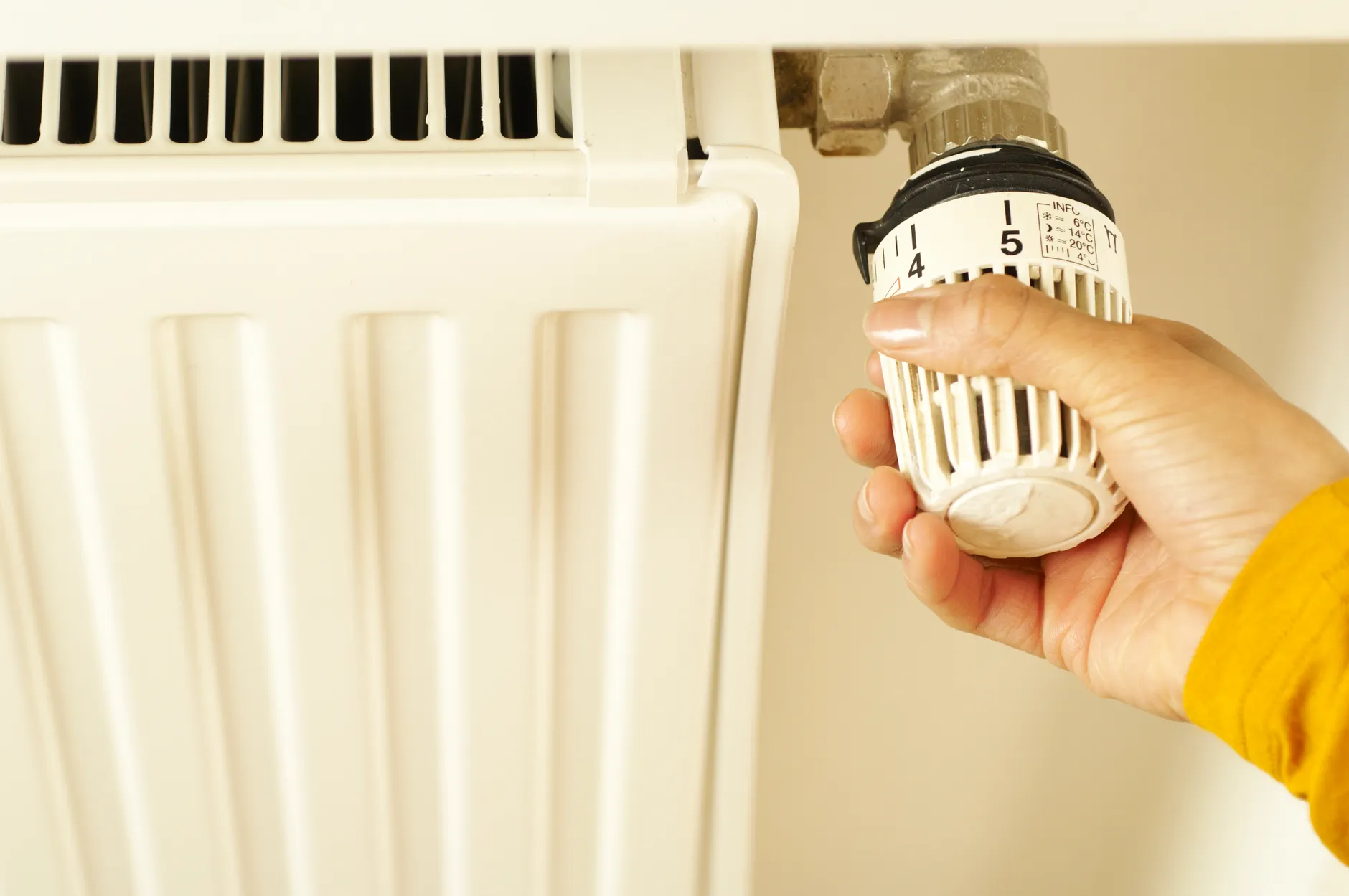
A circulating pump that hums but does not move water, a zone valve that fails to open or a thermostat that never calls for heat can leave the boiler running while the house stays cold. These are replaceable parts, not reasons to scrap the system.
Sludge, Noise and Leaks
Black water, kettling noises and weeping valves point to scale and corrosion in the circuit. Cleansing to BS 7593, fresh inhibitor and replacement valves usually restore the system without new radiators.
What's Included
Diagnose the Circuit Before Quoting
A heating system is a loop, so one fault can imitate another.
Walk the System
The partner company feels every radiator, checks pump speed, looks at zone valves and reads the controls. A circuit-wide look is quicker than swapping parts one at a time.
The Cheapest Fix That Lasts
Bleeding, balancing, a valve or a cleanse is quoted before a pump or radiator. Larger replacements appear only when the cheaper fix will not hold, and you see why in writing.
Cleanse and Protect to the Standard
Power flushing and chemical cleansing follow BS 7593, then the system is dosed with inhibitor. Boiler efficiency under Part L and the manufacturer's instructions are followed where a boiler is involved.
Tips
Spot a Heating Problem Early
Quick checks and common warning signs.
Signs Your System Is Struggling
None of these is an emergency alone, but together they add up.
- Radiators cold at the bottom or in the middle
- Black or brown water when you bleed a radiator
- Banging, gurgling or kettling from pipes and boiler
- Some rooms warm and others stay cold
- Pressure that keeps dropping on the boiler gauge
Checks You Can Do Safely
These cost nothing and help us help you.
- Check the thermostat and timer have the right settings
- Look at the boiler pressure gauge, normally between 1 and 1.5 bar
- Feel which radiators are hot and which are cold
- Bleed a radiator only with the heating off
- Note any error code on the boiler display
The Difference
Heating Faults Across North-West London
Same wall, different problems.
Sudbury Court and North Wembley
In mock-Tudor semis with later extensions, extra radiators are often teed into old pipes. The additions steal flow from the originals, so the far rooms go cold first.
Kenton and Kenmore Park
Nash-built semis and the LCC's Kenmore Park houses have seen several generations of boilers and radiators. Mixed metals in the same circuit make sludge worse.
Flats Along Watford Road
Flats with communal or shared systems need the managing agent to know before work begins. We ask on the phone, so you are not stuck midway.
Central heating failures are quieter than boiler breakdowns, which is why they get ignored until winter. The Honest Plumber Wembley home page explains how the line works, and for a heating system that has stopped altogether see emergency plumbing.
What Central Heating Repair Covers
Repair covers everything that carries heat from the boiler to the room: pipework, radiators, valves, the pump, the motorised zone valves, the cylinder coil, the expansion vessel and the controls. The boiler is part of the system but not the whole of it, and a boiler that fires perfectly will still leave a house cold if the water cannot circulate.
Radiators and Valves
Radiators fail by blocking, leaking or sticking. Thermostatic valves seize after a summer of doing nothing, lockshield valves are left at the wrong setting after a refit and old radiators corrode from the inside. A valve swap is a small job, and the published range of £100 to £200 covers most of them.
Pump, Controls and Zone Valves
The pump pushes water round the circuit, and the controls tell it when. A sticking zone valve or a dead thermostat leaves the boiler idle, which looks like a boiler failure but is cheaper to cure. The partner company tests each in order and swaps what is proven faulty.
Why Heating Fails in Metroland Houses
Houses built c.1927 to 1935 were often heated by open fires first and radiators later, so pipework follows the route that was easiest, not the one that was best. Loft conversions and rear extensions then added more radiators to the same circuit. Add hard water and mixed metals and you get sludge, imbalance and noise. A balance and a cleanse can fix what looks like an old system worn out.
Standards the Work Is Built To
Cleansing and protection follow BS 7593, and boiler efficiency work follows Part L of the Building Regulations. Any gas appliance is handled under the Gas Safety (Installation and Use) Regulations 1998, and the manufacturer's instructions apply. A boiler replacement is notifiable, so confirm the route with Brent or Harrow before work. For hot water problems, see hot water cylinder repair.
How to Book
Ring 07455 755172 and describe which rooms are cold, whether the boiler is running and what the pressure gauge reads. We text you the partner company's name before it arrives, and the written price comes before any flushing or parts. Ring the same number afterwards if anything is not right.
Balancing, Bleeding and Small Wins
Many cold-room complaints are solved without parts. Bleeding releases trapped air, balancing the lockshield valves shares flow between near and far radiators, and resetting the timer or thermostat fixes more than anyone admits. The partner company starts with these because they cost least, and it will say plainly when a call-out turned out to need nothing more than that.
Keeping the Circuit Clean Afterwards
Once the system is repaired, protection decides how long it stays that way. Inhibitor in the circuit slows corrosion, a magnetic filter catches the black debris and annual checking of the pressure and valves keeps small problems small. In HA0's hard water, a boiler and circuit that are kept clean also run more efficiently, which helps the bill as much as the comfort.
Planning for Winter
Heating faults cluster in the first cold week, when every system is switched on at once. If radiators have been sluggish since last winter, ring before the weather turns, because partner companies are easier to book in October than in the middle of a cold snap. The line is open all hours either way.
Straight Answers
How much does central heating repair cost in Wembley?
Published UK figures put most central heating repairs at £150 to £600, with a radiator valve at about £100 to £200, a circulating pump at £250 to £450 and a power flush at £400 to £800. A London figure for a power flush is £320 to £720. These are published ranges, not our quote, and the partner company writes its own price before starting.
Why are my radiators cold at the bottom?
Cold at the bottom and hot at the top points to sludge built up from corrosion, which blocks circulation at the lowest part of the radiator. In hard-water HA0, where Affinity Water zones average 291 to 363 mg/l, scale makes it worse. The usual fix is a cleanse to BS 7593 and fresh inhibitor, not a new boiler.
Why are my radiators cold at the top?
Air trapped at the top stops water filling the radiator, and it is cured by bleeding with a radiator key while the heating is off. If the problem returns often, there may be a leak letting in air or corrosion producing gas. The partner company can check the pressure and the circuit if bleeding keeps being needed.
Do I need a power flush?
Only when the diagnosis shows the circuit is sludged, such as black water, uneven heating and repeated pump or boiler trouble. A flush costs real money, and it is unwise on a system with weeping joints because it can expose them. The partner company should explain why one is needed before recommending it. Ask to see the black water or the temperature readings that justify the recommendation, because a flush should answer a measured problem and not be sold by default.
My boiler is running but the house is still cold. Why?
The boiler may be heating water that never reaches the radiators. A failed pump, a stuck zone valve, a closed lockshield or a blocked circuit are the usual causes. Because the boiler is working, the problem sits in the system around it, which is why a circuit check comes first. Tell us which radiators are hot and which are cold when you ring, because that pattern often points straight to the broken part before anyone arrives.
Is it safe to bleed radiators myself?
Yes, with the heating switched off and a cloth to catch drips. Open the bleed screw until water appears, then close it, and top up the boiler pressure to between 1 and 1.5 bar if it drops. If the radiator keeps filling with air, or you cannot restore the pressure, stop and ring us.
What does BS 7593 cover?
BS 7593 is the British Standard for treating water in domestic central heating systems. It covers cleansing, flushing, corrosion inhibitors and ongoing protection. Following it gives a heating system a sensible chance of staying clean after repair, and the partner company can tell you which steps it has completed. The standard is a guide to good practice rather than a certificate on the wall, so ask the partner company which parts of it applied to your job.
My pressure keeps dropping. Is that a leak?
Often, but not always. A small leak at a valve, a radiator joint or a pipe can lose pressure slowly, and so can a failing expansion vessel or pressure-relief valve. The partner company will check each in turn and quote for the cause, not the symptom. Do not keep topping up without finding out where the water goes.
What if I smell gas while the heating is on?
Do not use switches or flames, open windows, leave the property and ring the National Gas Emergency number on 0800 111 999. Gas work follows the Gas Safety (Installation and Use) Regulations 1998. Once the emergency is dealt with, ring us for the heating follow-up. Do not go back inside until the emergency service says it is safe, and keep our number for the day after, when the heating still needs looking at.
Can you repair heating in a flat?
Yes, as long as the system is your own. In blocks with a communal boiler or shared risers, the managing agent or freeholder is usually responsible for the shared part. Tell us when you ring and the partner company will check what belongs to you before it quotes. Leaseholders should also keep a copy of any quote, since managing agents often ask for one before agreeing to shared-pipework changes.
Do you cover Sudbury Hill, Kenton and Northwick Park for heating repairs?
Yes. The line covers Wembley, North Wembley, Sudbury Hill, Kenton, Sudbury and Northwick Park at every hour. We send the job to the partner company that suits the fault and can get to you soonest, then text you its name before anyone arrives. If anything is not right once the partner company has left, ring the same number and we chase it, because one number that stays on the job is the whole idea. We also text the partner company's name before arrival so you know who is coming.
Heating Not Reaching Every Room? Ring Us
Cause first, cost in writing. Call 07455 755172.
07455 755172